OPERATING PRINCIPLES
How the technology works
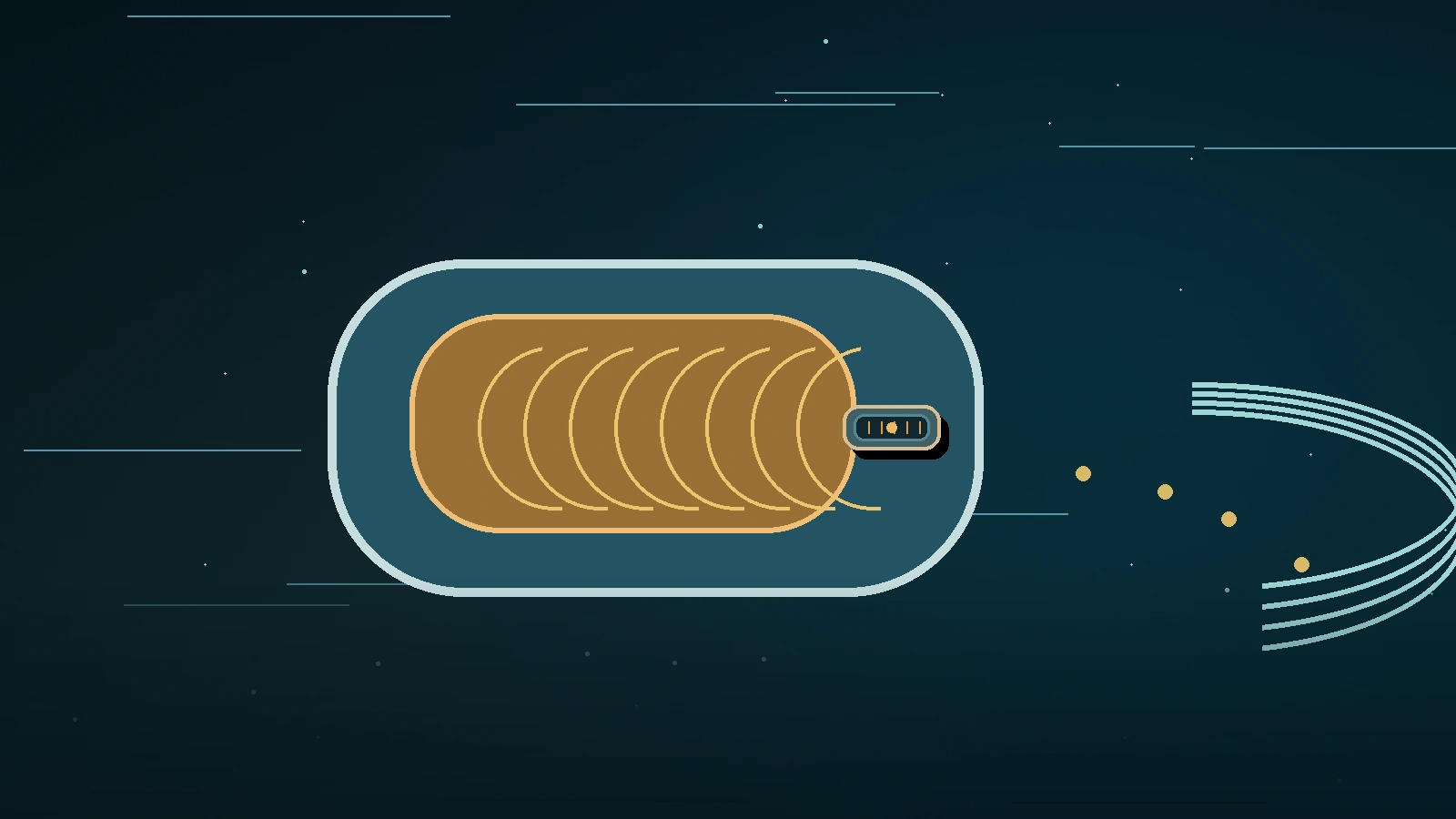
A delivery system combines a drug reservoir or carrier, an actuation/release mechanism, electronics or passive transport, and often a refill or external programming workflow. The active ingredient’s stability and the dose-control mechanism can dominate overall design.
EVIDENCE & MATURITY
Where the evidence stands
Clinical infusion implants have established indications and operational risks. Wireless programmable delivery systems described in recent reviews remain dependent on engineering proof, pharmacology, reproducibility and clinical translation.
ENGINEERING REALITY
What constrains translation
- Dose error, occlusion, reservoir life and refill procedures can be safety-critical.
- Drug stability, tissue exposure and biocompatibility may constrain materials.
- Feedback-controlled dosing requires validated sensing and clinically meaningful limits.
STRATEGIC RELEVANCE
From possibility to credible platform
Potential buyer groups include targeted therapy, implantable infusion, localized drug release and device–drug combination developers.
Visible claims on this independent domain presentation are illustrative of research directions and medical-device categories. They do not imply a marketed product, patient treatment, clinical performance or partnership.